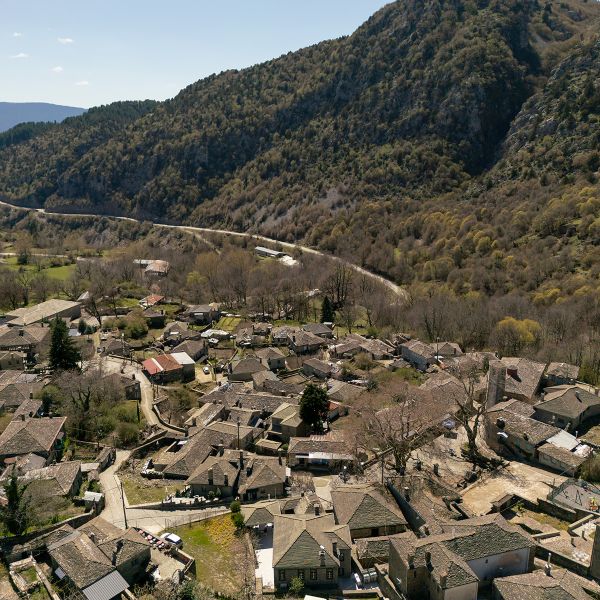
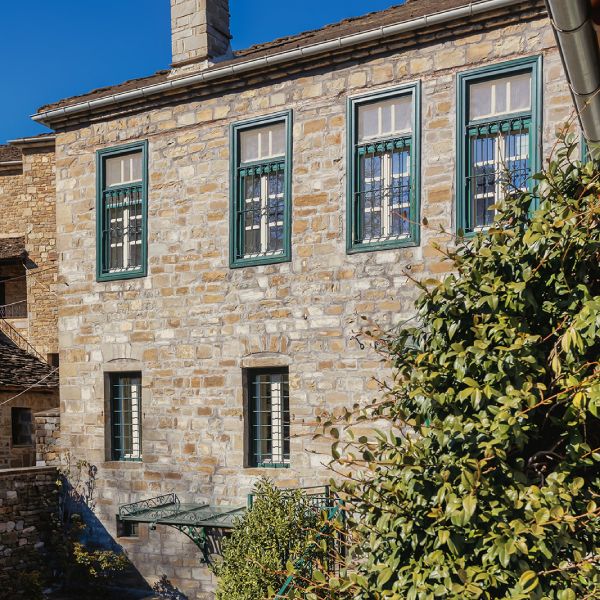
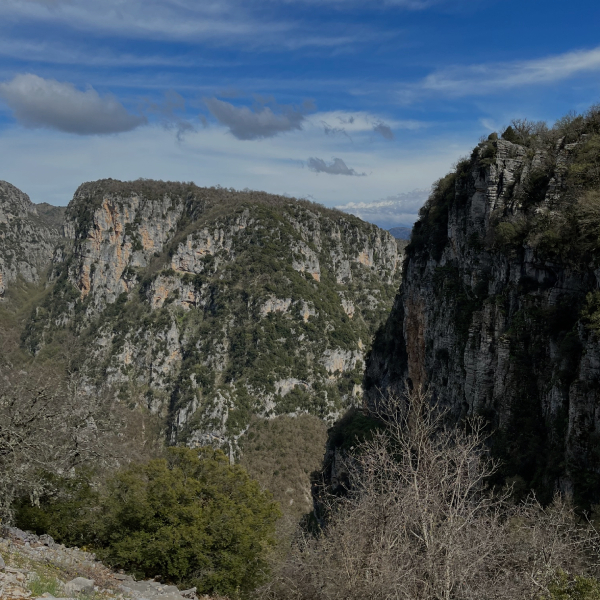
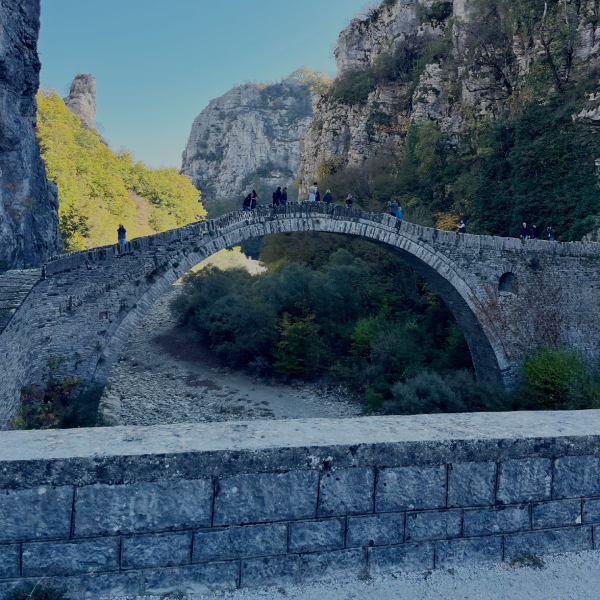
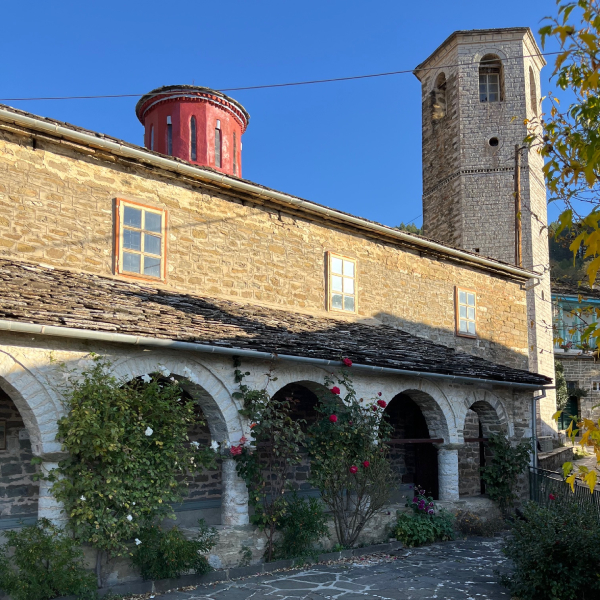
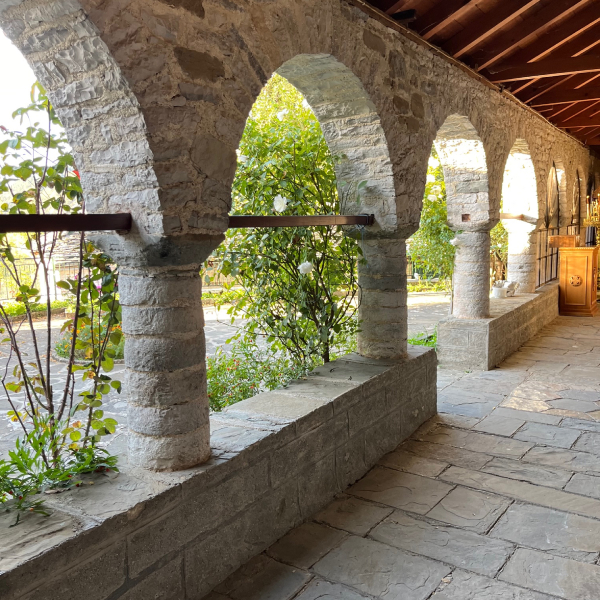
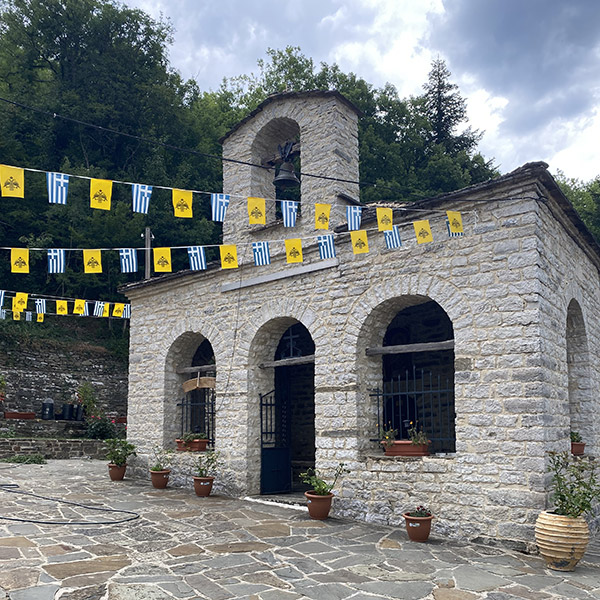
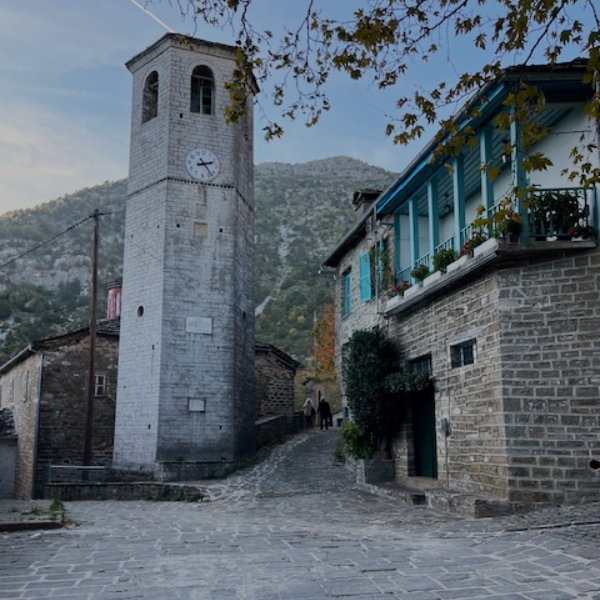
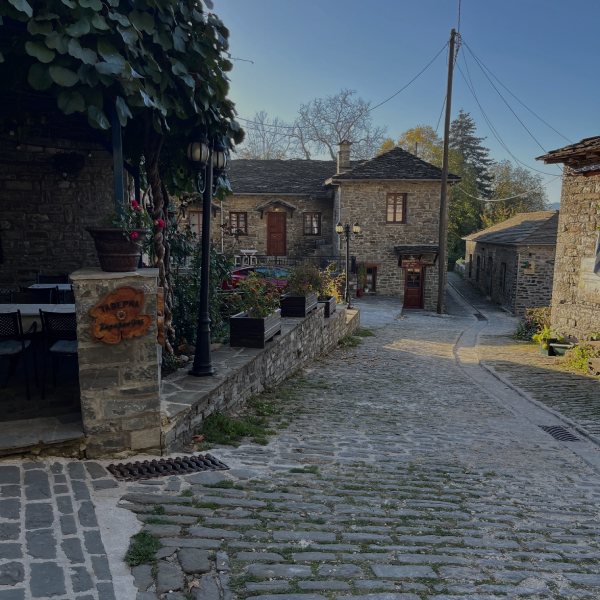
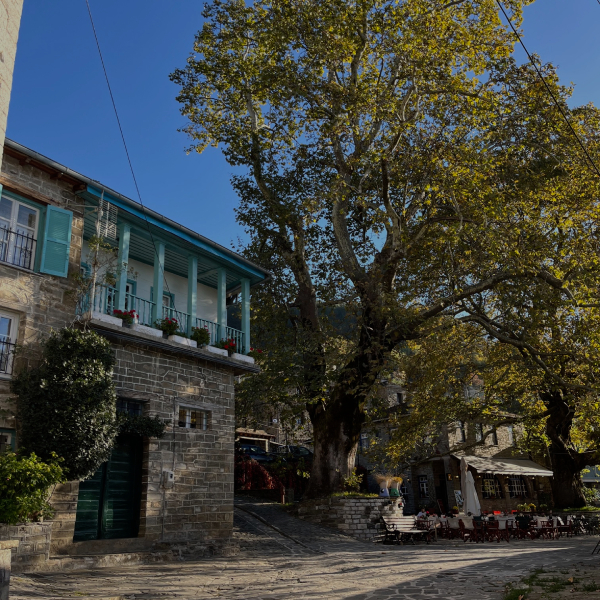
Zagori is a beautiful region of Epirus, which includes 46 traditional villages known as Zagorochoria. These villages are scattered along the foothills and slopes of the Pindos Mountain range, creating a unique natural and cultural atmosphere. It is a popular destination for nature lovers, hikers and visitors who want to discover the history and culture of Greece. It extends over approximately 1,000 square kilometers and has the shape of an inverted equilateral triangle, which reinforces the impression of its natural beauty. The villages of Zagori are small and usually built around the central square, with characteristic architecture, combining stone and wood. They are known for their traditional architecture, their picturesque routes, and the impressive stone bridges, which are an example of local craftsmanship and tradition. They are connected by traditional stone paths, stairs and bridges, offering unique opportunities for hiking and exploring the natural beauty of the area.
Moreover, the rich flora and fauna of the area, as well as the traditional customs and traditions of the inhabitants, create an ideal environment for those seeking natural beauty and cultural heritage. The population of Zagori is about 3.700 inhabitants, with a density of 4 persons per square kilometer, which is much lower than the average of Greece, which is 73,8 inhabitants per square kilometer. An important milestone for Zagori, but also for Greece, was the inscription of the area on the UNESCO World Heritage List as a cultural landscape in September 2023. This inscription is a great success, as it is the first time that a Greek cultural monument of recent heritage is included in the list, while previous inscriptions mainly concerned monuments of Antiquity or Byzantium. This recognition confirms the importance of Zagori as a cultural and natural treasure, while strengthening the protection and promotion of the region.
Name
The name "Zagori" was first recorded in a document in 1321 and has Slavic origins. It comes from the words 'Za' (back) and 'gora' (mountain), so that the word Zagori translates as 'the place behind the mountain'. This name is a translation of the ancient name of the region, 'Paroraia', which means 'by the mountain'. The name was introduced by Slavic tribes who settled in the area in the 6th century, with the inhabitants being called "Paroraeans", meaning those who live behind the mountains.
Ancient times
The existence of human activity in the area during the prehistoric period is confirmed by findings at the site "Kleidi", on the right bank of the Voidomatis River, dating from 17,000 to 10,000 years ago. In historical times, Zagori was inhabited by the Molossians, a tribe known for their breeding of war dogs, which they used in military operations. During almost the entire historical period, the population remained sparse and the land was mainly used for livestock farming and the supply of firewood for local needs. Agriculture and stockbreeding were the main occupations of the inhabitants, who lived in harmony with nature and exploited the natural resources of the area.
Byzantine period
The many Slavic place names in the area indicate that Zagori was influenced by the great Slavic invasions in the early 6th century, as well as by the settlement of Slavic tribes. During the Byzantine period, many monasteries were founded, a typical example being the Monastery of Metamorphosis in Klidonia, founded in the 7th century by the Byzantine Emperor Constantine IV Pogonatos.
Historical Evolution
From 1204 to 1337, Zagori was part of the Despotate of Epirus. At the end of the 14th century, the Zagorians made a strong appearance in the history of Epirus, when they drove out the Albanians who attacked Ioannina in 1389. The year 1348 is significant, when the region came under Serbian rule, and the Despotate of Epirus was reconstituted and placed under the Latin rule of Charles II Tokkos. The history of the region is full of conflicts and power changes, which have shaped its current cultural and social identity. The Byzantine heritage, combined with the influences of the Slavic and Albanian tribes, determined the cultural course of Zagori.
Turkish Occupation
Zagori was subjugated to the Ottomans in 1430, during the reign of Sultan Murat II. The region secured a privileged status that granted it autonomy, self-government and exemption from taxes. These favorable conditions, combined with the economic boom resulting from the growth of trade, led to significant social and cultural changes.
Economic Growth
The revenues from trade were channeled into remarkable constructions and buildings, while Zagori was never divided to Turkish landowners. Instead, a strong trading class developed with connections to Romania, Russia and Constantinople, which enhanced the prosperity of the region during the Ottoman period. The mountains of Zagori, being outside direct Ottoman control, were a refuge for Greeks persecuted by the Ottoman authorities.
The Rebellion of Ali Pasha
In 1820, after Ali Pasha’s rebellion, a Turkish force of 1,500 men under Ismail Pasha entered Zagori as part of an army of 20,000 men sent against Ali Pasha. Alexis Nutsos from Kapesovo, a member of Filiki Eteria (the Society of Friends), led the resistance against Ali Pasha. However, the Sultan’s forces prevailed, and Ismail Pasha removed almost all the privileges that Zagori had, leaving only the right to appoint a local governor, whose powers were essentially symbolic, while imposing heavy taxation. These conditions led to raids by Albanians and local bandits.
Liberation
Zagori was finally liberated in 1913, during the Balkan Wars. This liberation marked a new era for the region, bringing hopes and prospects for the restoration of its cultural and social identity.
World War II
After the Balkan Wars and the incorporation of Zagori into Greece, the region experienced a sharp decline in population due to migration to the large urban centers. During the Second World War, and especially the Italian attack in 1940, the inhabitants of Zagori were on the front line and showed unparalleled resilience and solidarity. Women, in particular, made a decisive contribution by carrying supplies and wounded, despite the difficult conditions. During the occupation, the area was affected by clashes between the Germans and rebel forces, such as Napoleon Zervas’ group. These battles caused serious damage, with many villages and the Voutsa Monastery being burned by the Germans in retaliation. Losses were heavy, with 1,679 houses burned and 171 lives lost.
Zagori, during the Greek Civil War, was almost abandoned, as residents were forced to flee due to the war conflicts. Since the 1980s, state efforts were launched to preserve the cultural and natural wealth of Zagori. Attention was focused on the preservation of traditional architecture, the regeneration of local heritage, and the protection of the region’s unique natural environment, ensuring that Zagori remains a living place of history and natural beauty.
Today
Zagorochoria are living monuments of cultural heritage, with the inhabitants reverently preserving the customs and traditions of the region. The unique architecture of the stone-built houses and bridges, the traditional music, the natural beauty, the wild beauty of the mountains, and the rich flora and fauna are some of the most recognizable features of the place. As areas of rare beauty and ecological value, Zagorochoria are strictly protected by both Greek legislation for the protection of the environment and international regulations. They are part of the NATURA 2000 network and are monuments protected by UNESCO, in order to preserve their natural and cultural identity intact for future generations.